What Are Peptides? How They Work in the Human Body
Journal articles are published in English.
Peptides are biological messages: short amino-acid chains that can tell cells when to release hormones, manage energy, respond to injury and rebuild tissue. Here is why peptide science is reshaping medicine, aesthetics and human performance.
Ruben
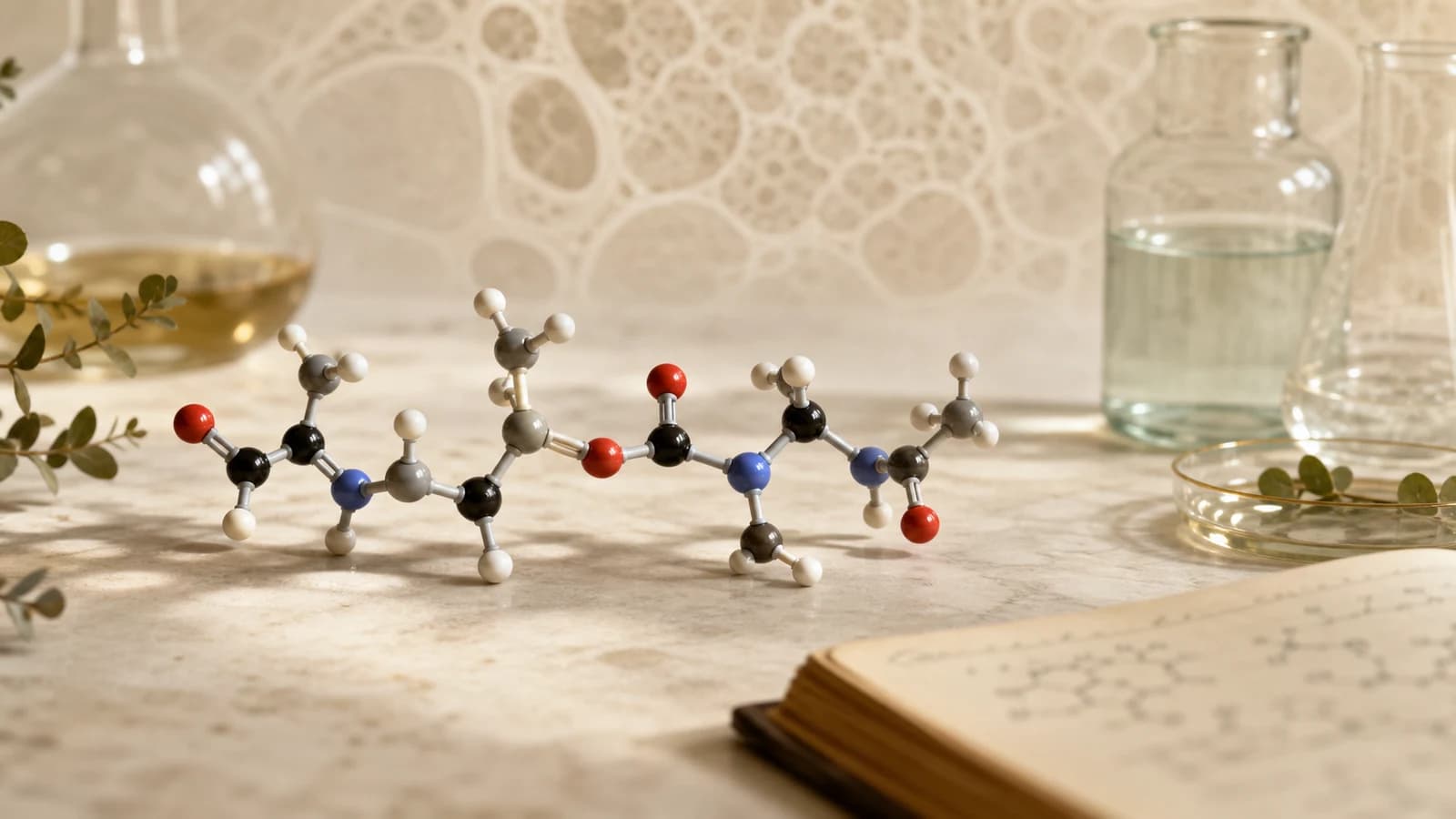
Peptides are short chains of amino acids that the body uses for many different jobs. Some act as precise biological messages, helping to regulate blood sugar, appetite, growth, stress, sleep, immunity, skin structure and the response to damaged tissue. Insulin is a peptide. So are oxytocin, glucagon and GLP-1. More than 80 peptide-based medicines are already in use, with new ones being developed for increasingly specific targets.
One helpful way to picture a peptide is as a set of instructions. Its amino-acid sequence gives it a particular shape, which determines which receptor or biological target it can meet. That interaction starts a chain of events inside the cell. Change the sequence and the message may change with it. This simple principle explains much of the interest in peptides across medicine, healthy ageing, aesthetics, rehabilitation and performance.
What is a peptide?
Amino acids are small organic molecules the body uses as building blocks. When the amino group of one amino acid joins the carboxyl group of another, they form a peptide bond. Two linked amino acids make a dipeptide; three make a tripeptide; a longer chain is often called a polypeptide.
There is no universal length at which a peptide becomes a protein. A common educational definition describes peptides as chains of roughly 2 to 50 amino acids. For a specific regulatory purpose, the US Food and Drug Administration uses 40 or fewer amino acids. Biology does not change at either boundary, so context matters. Insulin contains 51 amino acids and is commonly described as both a peptide hormone and a small protein.
Peptides vs proteins
Peptides and proteins are built from the same amino-acid alphabet and use the same peptide bonds. The practical distinction is usually size and complexity. Proteins are generally longer chains that fold into stable structures and often act as enzymes, receptors, transporters or structural material. Peptides are usually shorter and frequently act as highly targeted signals. This is a useful rule of thumb, not an absolute law.
What do peptides do in the human body?
The body uses many peptides as biological messengers. A peptide can be released by one cell, travel to a nearby tissue or through the bloodstream, and dock with a matching receptor on another cell. That receptor carries the message across the cell membrane and launches a signalling cascade inside the cell. Depending on the peptide and the target, the result can be hormone release, appetite control, glucose uptake, inflammation signalling, collagen production, blood-vessel behaviour or a change in how tissue responds to stress and injury.
Peptides as biological messengers
Picture a peptide as a message with a very specific address. The receptor is the receiver. Only cells carrying a compatible receiver can read that message, which is why an extremely small amount can trigger a focused and amplified response. One receptor event at the surface can activate many proteins inside the cell. Some peptide messages travel through the blood as hormones; others work locally between neighbouring cells, including fibroblasts, immune cells, endothelial cells and nerve cells.
Well-known examples show how varied these signals are:
Metabolism and blood glucose: insulin promotes glucose uptake and storage, while glucagon helps raise blood glucose when needed.
Appetite and digestion: GLP-1 participates in meal-related insulin secretion, gastric emptying and appetite signalling.
Water balance: vasopressin, also called antidiuretic hormone, helps the kidneys regulate water retention.
Reproduction and childbirth: oxytocin participates in uterine contraction and milk ejection; gonadotropin-releasing hormone helps control reproductive-hormone release.
Nervous-system signalling: neuropeptides such as endorphins and enkephalins participate in pain modulation and communication between nerve cells.
Immune and tissue responses: numerous peptides take part in inflammation, host defence, cell growth and repair signalling.
These examples do not mean every peptide influences all of these systems. Specificity is the point: each peptide has its own targets, distribution and evidence base.
Why can peptides have potent effects?
In pharmacology, potency describes how much of a substance is needed to produce a defined effect. Peptide signals can be remarkably potent because biology is built to recognise them. When a peptide binds selectively to its target, the cell can amplify that single outside message into a much larger internal response.
A receptor can convert one binding event at the cell surface into many events inside the cell. This signal amplification is one reason a relatively small chemical message can create a measurable physiological response. The response still depends on dose, exposure time, receptor density, tissue, route of administration and how quickly enzymes break the peptide down.
Short biological half-lives are common among natural peptide hormones. That allows the body to switch signals on and off quickly and gives drug developers an interesting formulation challenge. They may refine a sequence, protect it from enzymatic breakdown or adjust its formulation to extend exposure. Each advance can then be evaluated so its activity, duration and preferred use are well characterised.
How does the body make peptides?
Cells usually begin with instructions encoded in DNA. Those instructions are transcribed into messenger RNA and translated by ribosomes into a longer precursor chain. Enzymes then cut and modify that precursor to produce an active peptide. Insulin, for example, is made first as preproinsulin, processed to proinsulin, and then cleaved into insulin and C-peptide.
After release, many peptide signals bind to receptors on the outside of a cell because they do not readily cross the fatty cell membrane. Once their task is complete, enzymes called peptidases break them into smaller fragments and amino acids that can be reused or cleared.
Natural, synthetic and therapeutic peptides
A peptide can be endogenous, meaning the body produces it, or it can be manufactured. Laboratory production may use chemical synthesis, recombinant biotechnology or other controlled methods. A manufactured sequence may copy a natural peptide exactly or contain deliberate changes designed to alter stability, receptor activity or duration.
Some manufactured peptides have become established medicines. Insulin is the classic example; peptide-based medicines are also used in defined settings for conditions involving metabolism, fertility, bone health and other areas. The evidence and approval for each medicine are specific to its active ingredient, formulation, dose, route and indication, giving every peptide product a clearly defined clinical profile.
Research peptides represent an earlier and highly active stage of this pathway. They are valuable tools for studying receptors and biological pathways, while human research, regulatory review and consistent quality controls progressively build the foundation for clinical use. Cell studies, animal models and real-world observations generate promising hypotheses that well-designed human studies can explore and confirm.
The future of peptides in medicine and regenerative biomedicine
Peptides sit at the intersection of biology and programmable medicine. Researchers can discover a natural signal, map the receptor it speaks to, refine the amino-acid sequence and then engineer stability, tissue targeting or duration. New delivery systems are being designed to protect fragile peptides; hydrogels, nanoparticles and tissue scaffolds can release signals where they are needed; cell-penetrating peptides can carry other molecules across biological barriers; and peptide-guided systems are being explored for targeted cancer therapy, vaccines, cartilage repair, wound healing and precision metabolic medicine.
Tissue repair is a sequence of events involving immune cells, blood vessels, fibroblasts, stem and progenitor cells and the extracellular matrix. Peptides may allow researchers to influence selected parts of that process with more precision than a broad systemic intervention. This idea is already grounded in real medicine. Insulin, GLP-1 medicines, vasopressin analogues, fertility drugs and peptide cancer therapies show that peptide signals can be developed into important treatments. Current research is exploring whether the same precision can be directed towards tissue maintenance, recovery and healthy ageing.
Clinics, salons, gyms and rehabilitation practices will increasingly encounter this field. Their role is not to repeat the biggest claim attached to a new molecule. It is to understand what has actually been tested, explain the limits of the evidence and decide whether a service or product fits responsible practice. Businesses that build that knowledge now will be better prepared as promising mechanisms move into validated applications.
Who discovered peptides? A short history
No single experiment discovered every peptide in the body. The origin of peptide science is better understood as a sequence of breakthroughs.
The chemical beginning, 1901-1902
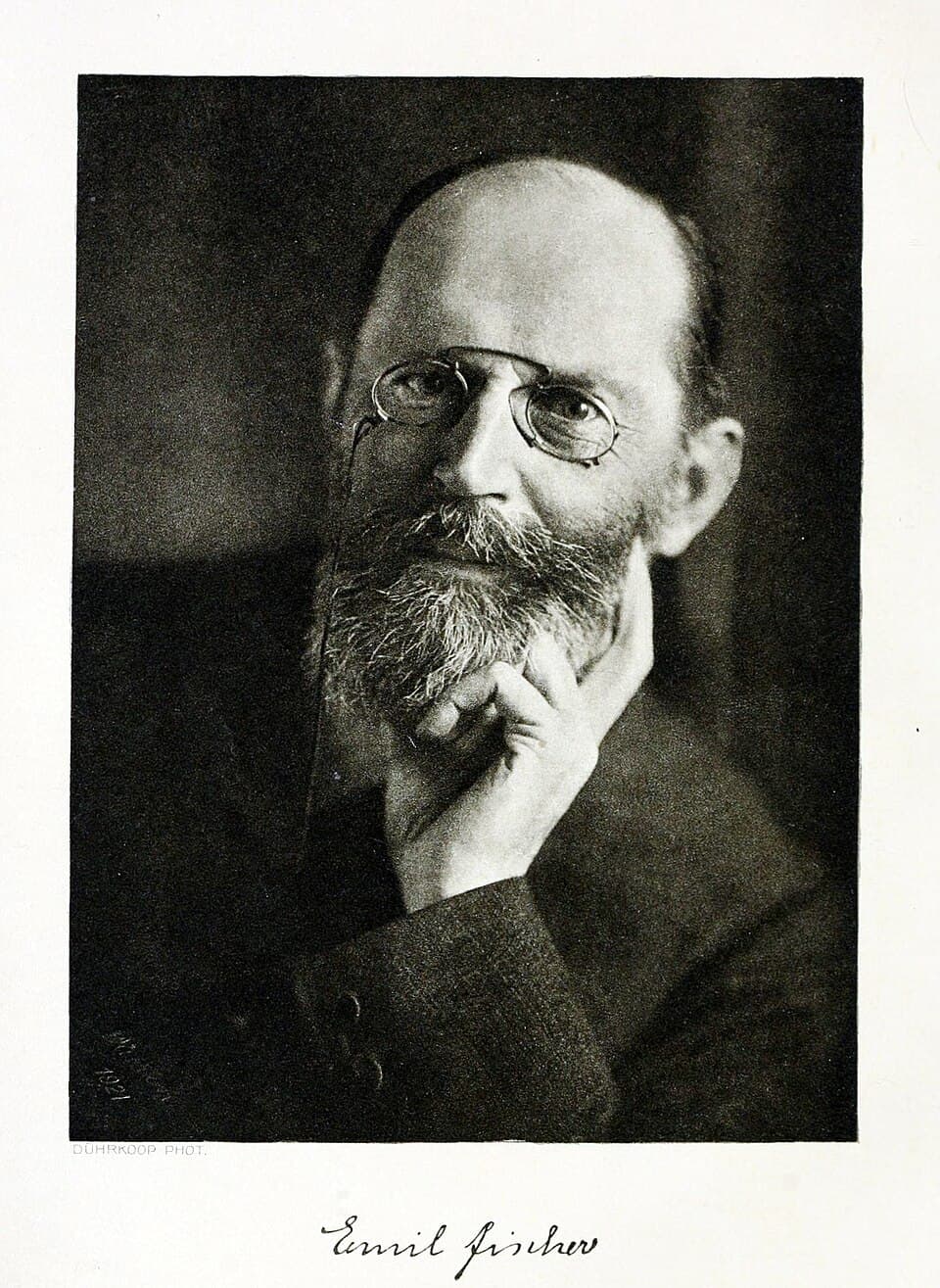
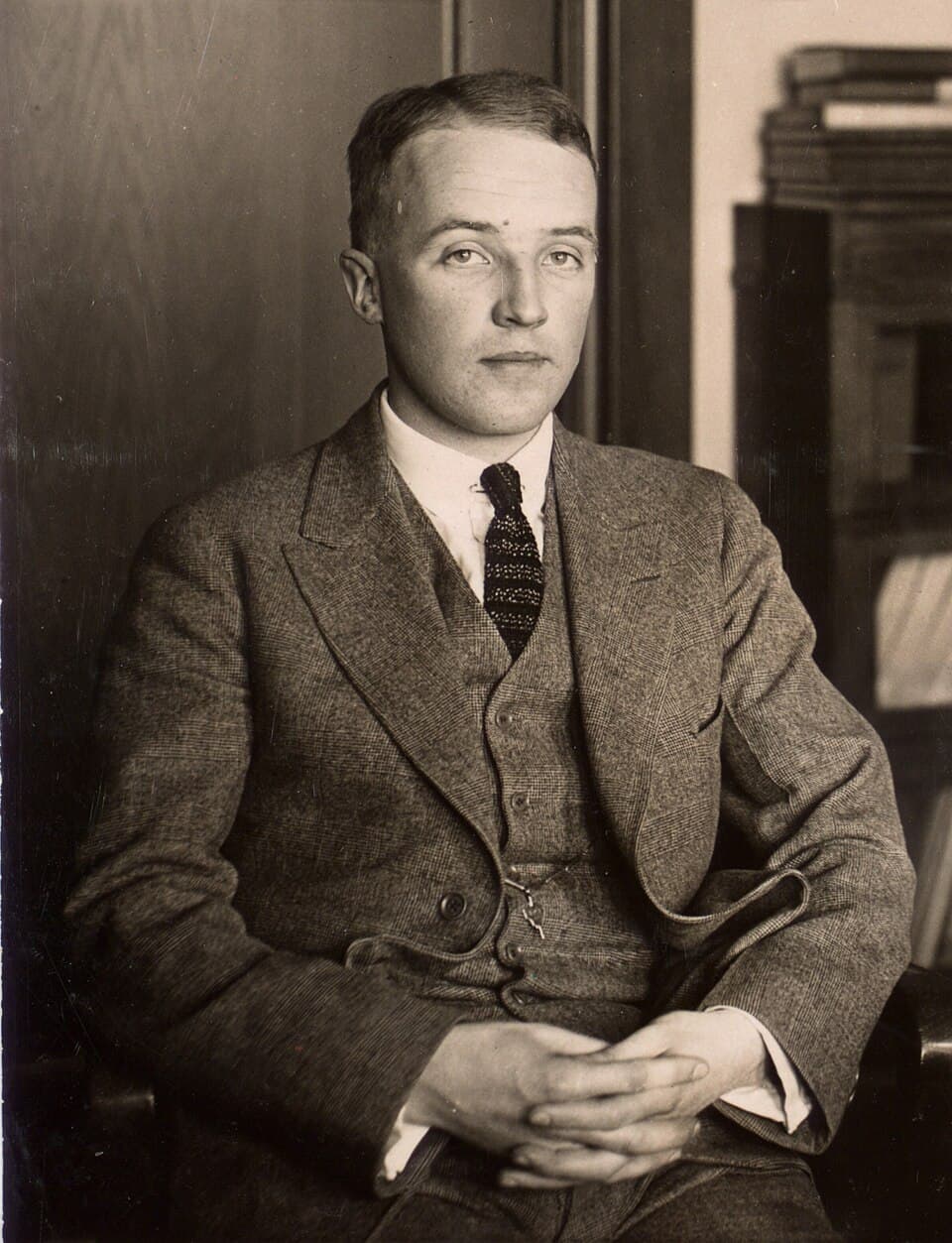
Emil Fischer and Ernest Fourneau synthesised glycylglycine, an early laboratory-made dipeptide. Fischer established the type of bond that links amino acids and introduced the term peptide in 1902.
Emil Fischer. Photo: Rudolf Dührkoop, public domain via Wikimedia Commons.
Ernest Fourneau. Photo: Man Ray, public domain via Wikimedia Commons.
Insulin changes medicine, 1921-1922
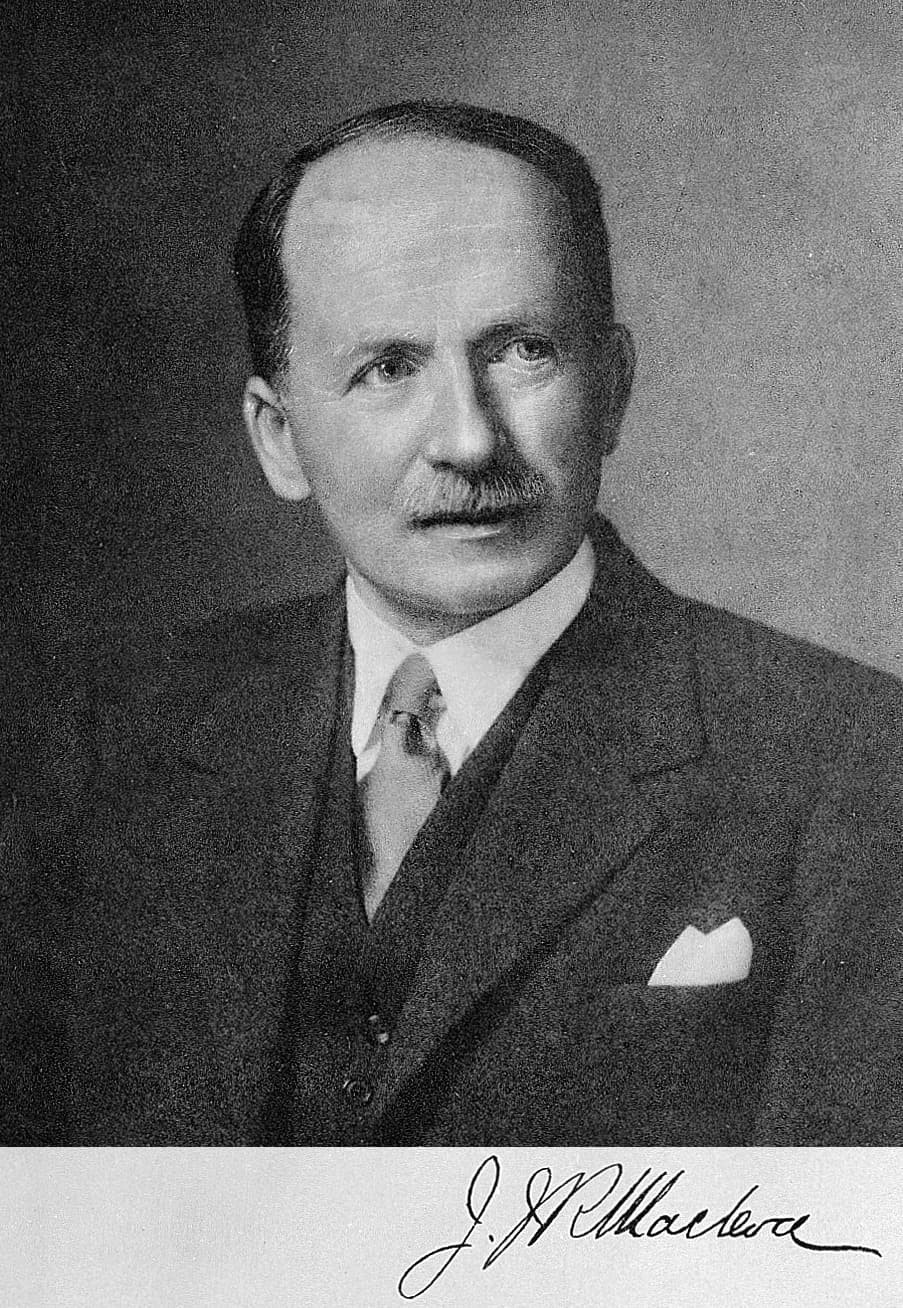
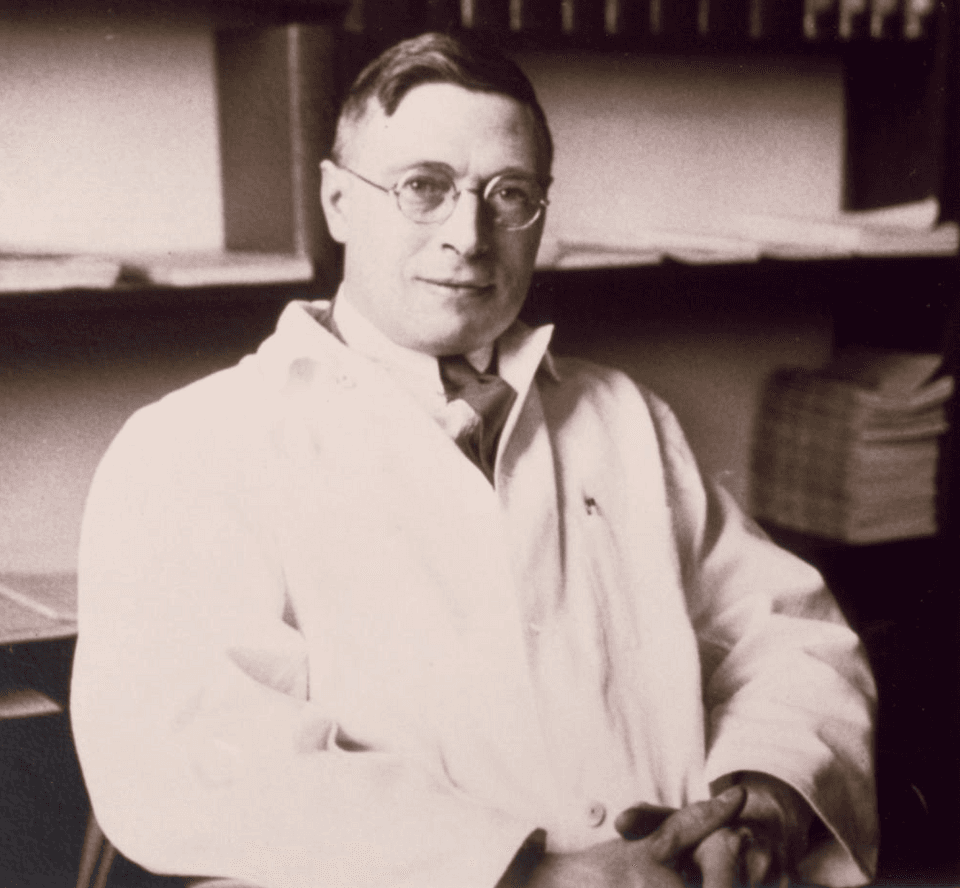
Frederick Banting, Charles Best, John Macleod and James Collip developed and purified pancreatic extracts containing insulin, leading to the first successful treatment of a person with diabetes in 1922.
Frederick Banting. Wellcome Collection, CC BY 4.0 via Wikimedia Commons.
Charles Best. University of Toronto, public domain via Wikimedia Commons.
John Macleod. Wellcome Collection, CC BY 4.0 via Wikimedia Commons.
James Collip. University of Toronto, public domain via Wikimedia Commons.
From sequencing to modern synthesis, 1953-1963
Vincent du Vigneaud and colleagues achieved the first synthesis of a polypeptide hormone, oxytocin, in 1953.
Frederick Sanger reported insulin's amino-acid sequence and connectivity in 1955, the first complete structure determined for a protein.
Bruce Merrifield published solid-phase peptide synthesis in 1963, making stepwise peptide production faster and suitable for automation.
Vincent du Vigneaud. Maxdugan26, CC BY-SA 4.0 via Wikimedia Commons.
Frederick Sanger. US National Institutes of Health, public domain via Wikimedia Commons.
Bruce Merrifield. Dann Kristoff, CC BY-SA 4.0 via Wikimedia Commons.
Together, those advances changed peptides from biological extracts and chemical curiosities into molecules that could be sequenced, synthesised, modified and studied systematically.
From curiosity to a professional opportunity
Labbieux works with eligible professional partners who want to enter this field with documented products, transparent quality information and a serious long-term perspective. Whether you operate a beauty clinic, performance facility, gym, rehabilitation practice or coaching business, we can explore how peptide science fits your clients, positioning and standards. Tell us what you are building.
No. Peptides are chains of amino acids. Steroids are lipid-derived molecules built around a characteristic four-ring chemical structure. Both can act as signals, but they have different chemistry and often use different routes to influence cells.
Are all peptides hormones?
No. Some peptides are hormones, while others act as neuropeptides, growth factors, antimicrobial molecules, toxins or fragments with other biological roles.
Are peptides found in food?
Yes. Digestion breaks dietary proteins into peptides and amino acids. Some food-derived peptides show biological activity in laboratory studies, but swallowing a protein or peptide does not automatically reproduce the effect of a peptide medicine. Digestion, absorption, dose and formulation all matter.
Are peptides safe?
Safety is best understood peptide by peptide. The exact molecule, purity, dose, route, interactions and intended use all shape its profile. Established medicines come with product-specific evidence and oversight, while earlier-stage research compounds are continuing to build comparable human data and quality standards.
With your permission, Google Analytics collects website usage information to help us improve Labbieux. You can reject analytics or change your choice at any time. Read the cookie policy